
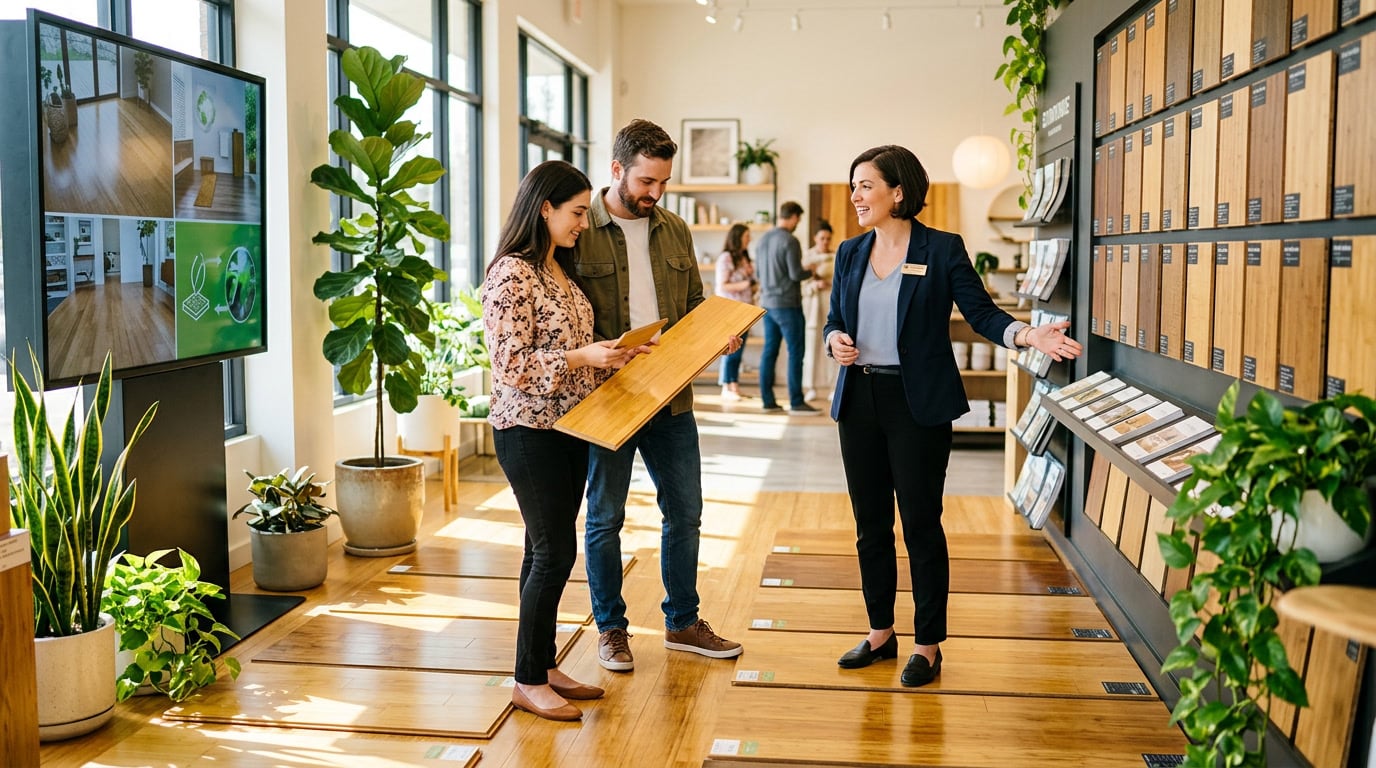
In 2026, you can expect bamboo flooring to cost about $7 to $20 per square foot installed, with most rooms totaling $1,750 to $5,000. Your price depends on the bamboo type, labor, subfloor prep, and layout complexity. Strand-woven costs more, while engineered bamboo is usually the cheapest. Labor often adds $4 to $9 per square foot, and regional rates vary too. There’s a lot more to factor in before you get a final quote.
Quick Overview
- Bamboo flooring in 2026 typically costs $7 to $20 per square foot installed.
- A standard 200-square-foot room often totals about $1,400 to $3,200.
- Strand-woven bamboo costs the most, while engineered and horizontal options are usually cheapest.
- Labor usually adds $4 to $9 per square foot, with higher rates in the Northeast and West.
- Extra costs may include subfloor leveling, underlayment, waste, and complex installation layouts.
What Bamboo Flooring Costs in 2026
In 2026, bamboo flooring typically costs $7 to $20 per square foot installed, with most projects landing between $1,750 and $5,000 for a standard room.
Your bamboo flooring cost shifts with room size, labor, and prep work, so a 200-square-foot space may run $1,400 to $3,200.
Bamboo installation cost often includes subfloor leveling, underlayment, and waste from cuts.
If you compare bamboo vs hardwood cost, bamboo can offer a competitive installed price while still giving you a durable floor.
Larger jobs, like 1,000 or 2,000 square feet, push totals higher quickly.
Bamboo is a rapidly renewable resource that grows faster than traditional hardwood trees, which helps support its long-term affordability.
Bamboo flooring is also available in styles like engineered, horizontal, vertical, and strand-woven, which can change the final price.
Bamboo Flooring Prices by Type
Bamboo flooring comes in four main types, and the price can vary a lot based on which one you choose.
You’ll see a bamboo floor price that shifts with durability, look, and material choice.
- Strand-woven: most durable, highest bamboo cost per square foot
- Horizontal: natural look, usually under $10
- Vertical: similar to horizontal, often $2–$10
- Engineered: most affordable bamboo flooring, as low as $2
Your pick affects value, since denser options last longer and cost more.
If you want a balance of style and savings, compare type first before you shop. strand-woven durability can also make a big difference in how long the floor lasts, with some options offering far better scratch resistance than others. Bamboo flooring is also generally more prone to moisture damage than other flooring options.
How Installation Labor Changes the Price
Even the best bamboo flooring can get pricier once you factor in installation labor, which typically adds $4 to $9 per square foot.
Your total can climb faster if you choose an experienced installer, because rates often run $6 to $8 per square foot.
Entry-level pros may charge less, but you might trade savings for skill.
Floating installs usually cost the least, while glue-down or nail-down work adds $1 to $3 more.
If your subfloor needs leveling or moisture treatment, budget another $2 to $10.
In busy cities, labor often runs 20% to 40% higher, so protect your bamboo flooring budget. Regional differences can significantly affect bamboo flooring labor costs.
Bamboo Vs Hardwood Vs Vinyl
When you compare bamboo flooring with hardwood and vinyl, the price gap depends on both materials and installation. You’ll usually pay $7–$20 per square foot for bamboo installed, versus $5–$15 for standard hardwood, while vinyl often costs less than bamboo.
- Bamboo: $2–$10 materials
- Hardwood: lower entry cost
- Vinyl: budget-friendly choice
- Strand-woven bamboo: toughest option
- Hardwood: strongest resale boost
Bamboo can outlast cheaper choices with care, and strand-woven types feel very hard underfoot. Janka hardness helps explain why strand-woven bamboo can be tougher than many traditional hardwoods.
Hardwood gives you classic value and long life, while vinyl stays consistent and low-cost. If you want eco-friendly appeal, bamboo often wins. In addition, bamboo is considered a rapidly renewable resource because it matures in about 3–5 years.
Regional Bamboo Flooring Cost Differences
You’ll usually pay the most in the Northeast and West, where labor often runs $6 to $8 per square foot and local demand pushes prices up. In general, labor costs are a major part of bamboo flooring pricing, especially when professional installation requires precise fitting and specialized adhesives. Also, strand-woven bamboo is typically valued for exceptional durability.
In the Midwest, expect a middle-ground labor range of about $5 to $7 per square foot.
The Southeast often gives you the best savings at $4 to $6 per square foot, and freight plus project timing can still shift your final cost.
Northeast And West Costs
Bamboo flooring costs vary noticeably between the Northeast and West Coast, with Northeast installs typically running about $8 to $12 per square foot because of higher labor rates, tougher urban access, and added subfloor prep in older homes.
On the West Coast, you’ll often pay $7 to $15, with eco-premiums and seasonal pricing swings.
- Northeast labor runs higher.
- West materials can cost less.
- Strand-woven bamboo may top $16 in cities.
- Horizontal bamboo often gives you a cheaper option.
- Off-season West scheduling can trim your bill.
For a 200-square-foot room, expect $1,600 to $3,500 in the Northeast.
Subfloor prep can add another $1 to $3 per square foot when floors need leveling.
Midwest Labor Price Range
In the Midwest, bamboo flooring labor usually runs about $5 to $7 per square foot, putting the region in a middle ground between pricier coastal markets and lower-cost southern areas.
You’ll usually see final quotes shift with contractor skill, local demand, and cost of living from state to state. Urban crews often charge more, and complex installs, subfloor prep, or flooring removal can raise your bill.
For a 200-square-foot room, you might pay $1,000 to $1,400 in labor alone. Even so, Midwest pricing often stays competitive for larger projects.
Southeast Savings And Freight
Southeast bamboo flooring costs often come in lower than in other regions because labor rates usually run about $4 to $6 per square foot, helped by a lower cost of living and a healthy supply of contractors.
You’ll also save on freight when you’re near ports and manufacturing routes.
- Labor beats Northeast pricing
- Larger jobs raise shipping volume
- Strand-woven bamboo weighs more
- Off-season scheduling can trim bids
- Installed totals often land low-end
For 2026, you can expect Southeast projects to sit below national averages, especially if you choose engineered bamboo and keep waste down.
What Raises Bamboo Flooring Costs
Several factors can push bamboo flooring costs higher, starting with the product itself: strand-woven bamboo usually costs more because it’s denser and more durable, while carbonized, premium-grade, and thicker planks also raise the price.
You’ll also pay more for prefinished boards, since they save time but cost more upfront. Unfinished flooring seems cheaper, yet you’ll add sanding and finishing labor.
Installation gets pricier with stairs, complex layouts, or subfloor prep. Brand reputation, local labor rates, and larger waste allowances can further lift your total.
Average Bamboo Flooring Project Costs
You’ll usually pay $7 to $20 per square foot for installed bamboo flooring, with labor and materials included.
For a typical project, that means a total cost of about $1,750 to $5,000, though your final price can land higher or lower depending on room size and bamboo type.
Larger spaces often lower your per-square-foot cost, but premium bamboo and tougher installs can push it up.
Average Project Range
Bamboo flooring projects usually fall in a broad but predictable price range: most installations cost about $1,750 to $5,000, with the national average landing near $4,000. Your room size drives most of the total, and labor, prep, and removals can push it higher.
- Small rooms cost less overall
- Medium rooms often land near the average
- Large rooms need more labor and materials
- Complex layouts raise setup time
- Extra prep and trim work add to the bill
For a 200-square-foot room, you might pay $1,400 to $3,200. A 250-square-foot project often reaches about $3,400. Bamboo flooring typically costs 7 to 20 dollars per square foot installed.
Cost Per Square Foot
On average, bamboo flooring costs about $7 to $20 per square foot fully installed, with materials alone usually running $2 to $10 per square foot and labor adding another $4 to $9 per square foot.
You’ll pay less with engineered, horizontal, or vertical bamboo, while strand-woven options raise the price for added durability. Complex layouts, stairs, subfloor work, and underlayment can push your total higher.
Larger rooms may lower per-square-foot labor, but don’t forget to add 10% for waste. Regional wages and contractor experience also shift your final installed cost.
How to Save on Bamboo Flooring
Smart planning can trim bamboo flooring costs without cutting quality. You can save most by choosing the right material, timing purchases, and trimming labor.
- Pick engineered, horizontal, or vertical bamboo.
- Consider lower-grade or blended options.
- Do some DIY work, like removal or finishing.
- Compare quotes and ask for bulk discounts.
- Shop sales and negotiate with suppliers.
You’ll often cut labor nearly in half by handling parts of the job yourself, but hire pros for tricky steps to avoid costly mistakes.
Add 10% extra for waste, then maintain your floor well so it lasts longer and protects your investment.
Frequently Asked Questions
What Bamboo Flooring Type Lasts the Longest?
Strand-woven bamboo lasts the longest. You’ll get the hardest, most durable option, often lasting 20–25 years or more with care, and you can refinish it to extend its life even further.
How Does Bamboo Flooring Handle Moisture and Spills?
You’ll find bamboo handles moisture fairly well, but it still swells, warps, or molds if spills sit too long. Wipe messes immediately, keep humidity steady, and choose engineered bamboo for better damp-area performance.
Can Bamboo Flooring Be Installed Over Existing Floors?
Yes, you can install bamboo flooring over existing wood floors, but you’ll need engineered bamboo over concrete. You should inspect subfloors, add underlayment or vapor barriers when needed, and budget for prep and labor.
Is Bamboo Flooring Suitable for Radiant Heating Systems?
Yes, you can use bamboo flooring with radiant heating systems, especially engineered bamboo. You’ll want steady temperatures below 80–85°F, proper acclimation, and an installer who knows radiant setups to avoid expansion problems.
How Often Does Bamboo Flooring Need Refinishing?
You’ll usually refinish solid bamboo every 10–20 years, depending on wear. Engineered bamboo often can’t be refinished, while strand-woven types last longer. With good care, you’ll extend intervals and reduce costs.
Conclusion
Bamboo flooring can be a smart, stylish choice if you want durability without the highest hardwood price tag. As you plan your 2026 project, remember that material type, installation labor, and your region all shape the final cost. You can save by comparing quotes, choosing simpler styles, and timing your purchase well. If you balance budget with quality, you’ll end up with a floor that looks great and fits your needs.