
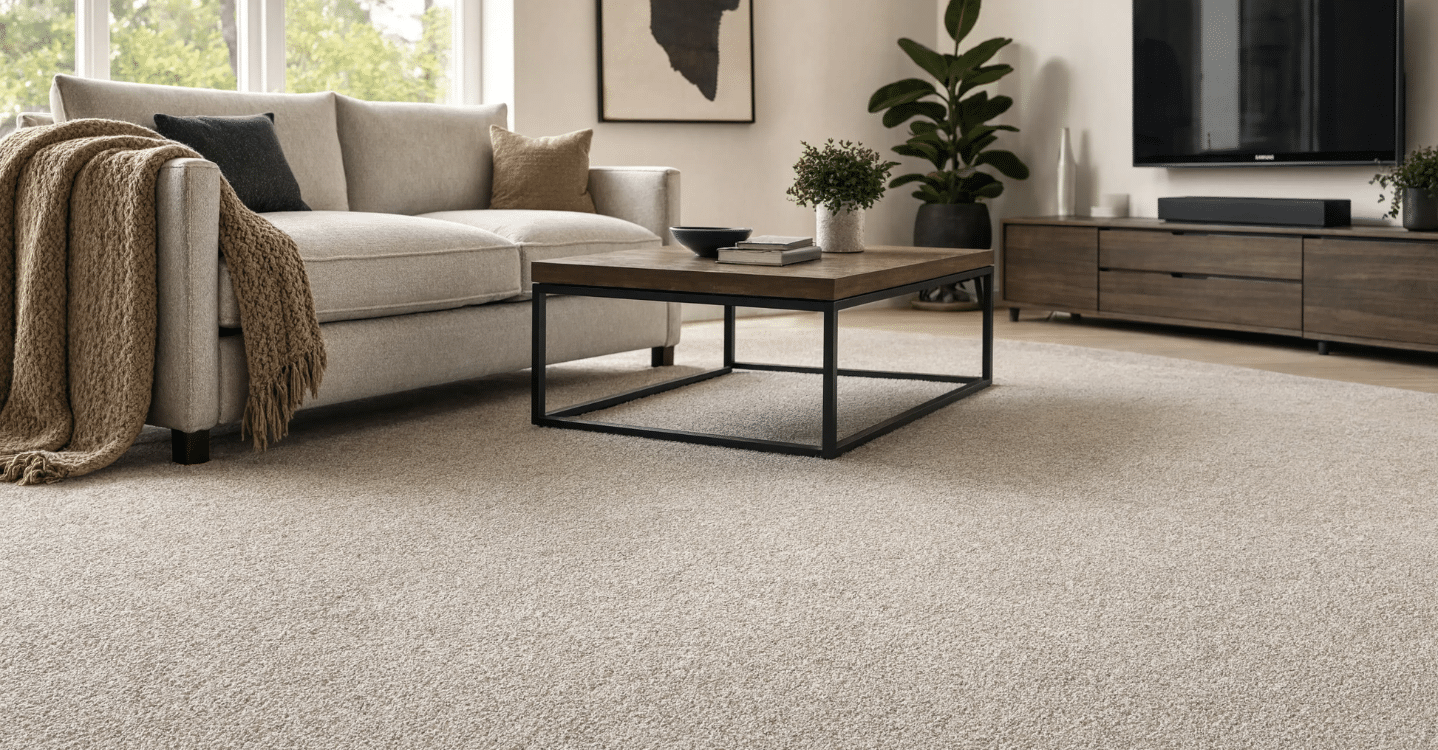
You should replace carpet every 5 to 15 years, but you may need it sooner in hallways, stairs, and entryways. Heavy foot traffic, pets, kids, sunlight, moisture, and poor padding can shorten its life. Watch for matting, fading, stains, odors, frayed fibers, seams pulling apart, or wrinkles that don’t go away after cleaning. If your carpet keeps looking worn after repairs, it’s probably time for a new one, and there’s more to know.
Quick Overview
- Replace carpet every 5 to 15 years, depending on quality, maintenance, and room traffic.
- High-traffic areas like hallways, stairs, and entryways often need replacement every 5 to 10 years.
- Look for matting, stains, odors, frayed fibers, tears, buckling, or threadbare areas as replacement signs.
- Better materials like nylon, triexta, and wool last longer than polyester or olefin.
- Regular vacuuming, prompt spill cleanup, and deep cleaning every 12 to 18 months can extend carpet life.
How Often Should You Replace Carpet?
How often should you replace carpet? You’ll usually replace it every 5 to 15 years, depending on quality and use. Most homes fall in that range, while high-traffic areas may need new carpet in 5 to 10 years.
If yours is 10 years old or more, check for carpet replacement signs like matting, stains, fading, tears, or odors. These issues show how long carpet lasts in your space.
A well-kept carpet can reach the upper end of its carpet lifespan, and wool may last even longer. When wear becomes obvious, replacement’s the practical choice. Regular vacuuming and cleaning can help extend your carpet’s lifespan.
What Affects Carpet Lifespan
Carpet lifespan depends on a handful of practical factors, and some matter more than others. You’ll see faster wear in hallways, stairs, and entryways because foot traffic grinds fibers down, while guest rooms last longer.
Good installation, solid padding, and proper underlayment help your carpet stay supportive and resist matting. Sunlight, humidity, and moisture can fade, weaken, or damage fibers and backing. Professional installation can also prevent wrinkles and loose areas that shorten a carpet’s lifespan.
Regular vacuuming, prompt spill cleanup, and professional cleaning slow deterioration. Watch carpet wear indicators, since they guide your carpet replacement timeline and help you judge when to replace carpet before damage spreads.
Carpet Lifespan By Material
When you choose carpet by material, you’ll see big differences in durability and lifespan.
Nylon and triexta usually hold up best in busy homes, while wool can last even longer with proper care. Carpet Material affects how long your carpet lasts, with nylon and polyester standing up well to wear and wool feeling softer but wearing down faster in high-traffic spaces.
Polyester and olefin cost less, but you’ll likely replace them sooner, especially in high-traffic rooms.
Material Durability Differences
Material makes a big difference in how long your carpet lasts, because some fibers handle daily wear far better than others. If you’re dealing with old carpet problems, you’ll notice cheaper materials flatten sooner.
Nylon stands up best in busy rooms, resisting crushing and bouncing back well. Wool also lasts beautifully, holding its shape and looking good for years. Triexta gives you solid all-around performance.
Polyester feels soft and resists stains, but it mats faster in traffic. Olefin works better in low-wear or damp spaces, not heavy-use areas.
Choose the material that matches your room’s stress level. Carpet lifespan typically ranges from 5 to 15 years, depending on quality and maintenance.
Lifespan By Fiber Type
Fiber type gives you a more precise way to estimate how long your carpet will last, since each material wears differently under daily use.
Nylon often lasts 10-15 years and holds up best in busy rooms.
Polyester usually gives you 5-12 years, but it can mat sooner in heavy traffic.
Wool can reach 8-30 years with care, while olefin typically lasts 5-10 years.
- Use nylon where you need resilience.
- Choose polyester for softer, budget-friendly comfort.
- Pick wool for long-term performance and olefin for light-duty spaces.
Carpet material and construction significantly influence longevity.
How High-Traffic Areas Wear Carpet Out
You’ll notice foot traffic wears carpet down fast, especially in hallways, entryways, and other daily paths.
Dirt, pets, and family movement flatten fibers, grind in grit, and leave those spots looking dull and matted long before the rest of the carpet.
Over time, these wear patterns can become permanent and make replacement feel necessary sooner. Regular maintenance can help prevent traffic lanes from becoming permanent.
Foot Traffic Damage
High-traffic areas take the biggest toll on carpet because every step presses the pile down, bends fibers, and grinds in tiny bits of dirt and grit that act like sandpaper.
Over time, you’ll see flattening, dull patches, and rough spots that don’t bounce back. Shoes push debris deep into the pile, where it keeps cutting fibers from within. You may also notice fading and uneven color in busy rooms. Dirt and debris also make these areas wear out faster than low-traffic parts of the home.
- Soft, plush carpet usually shows wear sooner.
- Soil buildup can make damage look worse than it seems.
- Heavy-use zones often need replacement first.
Hallway Wear Patterns
Hallway carpet often wears out in a few predictable lanes: the path from bedrooms to the kitchen, the stretch by entryways, and the route people take past sofas or down stairs.
You’ll see fibers flatten, dull, and mat as foot traffic compresses them. Dirt and shoe oils cling to those paths, and grit grinds the pile like sandpaper.
Soon, the lanes look darker than the edges, and corners or stair treads wear fastest. Vacuum these zones often, use runners, and deep clean monthly.
Even good carpet shows these marks within months. High-traffic areas like hallways and entryways usually show wear first.
Pet And Family Impact
Pets and family life can wear carpet down even faster than hallway traffic alone. You’ll see paw prints, shedding, and constant foot traffic flatten fibers, fade color, and loosen texture.
- Vacuum 2-3 times weekly to slow grit and dander buildup.
- Clean professionally every quarter, and deep clean every 6-12 months if allergies matter.
- Use area rugs in busy zones to absorb wear.
If pets have had repeated accidents, stubborn odors and stains can leave hidden damage that cleaning won’t fix.
When matting, wrinkles, or smells persist, replacement’s usually the smarter choice.
How Pets And Kids Shorten Carpet Life
When you have kids and pets, carpet wears out much faster because daily play, crawling, paw traffic, and tracked-in dirt all grind down the fibers.
Shedding breeds leave hair that traps grit and moisture, while long-haired pets can mat fibers and add stains or odors.
Large dogs press down carpet, creating indentations and thinning.
Accidents like urine, feces, and vomit can seep into backing, causing discoloration and structural damage.
With constant traffic, dander, and debris, your carpet can lose more than half its expected life and may need replacement in just 5 to 7 years.
To keep floors in better shape between replacements, many families upgrade to Luxury Vinyl Tile (LVT), which is designed to resist scratches and stains from pet messes.
How Maintenance Extends Carpet Life
Good maintenance can add years to your carpet’s life by stopping dirt, spills, and wear before they turn into permanent damage.
Vacuum high-traffic areas daily, medium areas two or three times a week, and low-traffic spots weekly with a HEPA-filter machine.
- Blot spills right away with white paper towels.
- Schedule professional deep cleaning every 12 to 18 months.
- Use mats, padding, and furniture coasters to reduce friction and indentations.
These habits keep fibers stronger, limit allergens, and help your carpet stay cleaner longer.
Staying on top of pet grooming and trimming pet nails early can further reduce damage and extend carpet usefulness around busy areas.
If you stay consistent, you can delay replacement and protect your investment.
Signs Your Carpet Needs Replacing
Even a well-maintained carpet eventually shows signs it’s time for replacement. You may notice frayed fibers, bald spots, or threadbare areas in hallways and stairs.
Seams can pull apart, edges can tear, and buckling may create tripping hazards. If your carpet stays flattened after vacuuming, has matting, wrinkles, or uneven sections, the padding may be failing.
You might also hear crinkling underfoot or feel less cushioning. When the backing separates or damage spreads across high-traffic areas, repairs won’t help.
Replacing it can also improve indoor air quality and reduce allergy triggers.
When Stains And Odors Won’t Come Out
If stains keep showing up after professional cleaning, your carpet may be past the point of saving.
Deep-set wine, coffee, pet accidents, ink, and oil can sink into fibers and backing, where cleaners can’t fully reach. Odors from spills, smoke, and urine can also lock in and linger.
Anthocyanin pigments from red wine can penetrate porous surfaces and make the stain much harder to lift once it’s set.
- Stains left for months often become permanent
- Persistent smells can hurt your home’s comfort and air quality
- Replacement may cost less than repeated failed cleanings
When your carpet still looks dirty after treatment, it’s time to stop spending on rescue attempts and replace it.
How Carpet Padding Breaks Down
Sometimes the problem isn’t the carpet surface at all—it’s the padding underneath. You compress it every day with foot traffic, furniture, and equipment, and low-density padding gives out fastest.
When that happens, you’ll feel soft spots, dips, and uneven support. Even good padding can show wear in 5 to 7 years in busy areas.
Moisture makes it worse because damp padding holds mildew and breaks down fast. Poor installation, wrong thickness, or bad seams also weaken it.
If the padding crumbles, the carpet can mat, shift, and fail early.
Carpet Lifespan In Different Rooms
Carpet doesn’t wear out at the same pace in every room. In hallways, living rooms, and entryways, foot traffic, pets, and kids can push replacement to 5-10 years.
Bedrooms and formal dining rooms usually last 12-15 years with simple vacuuming and occasional deep cleaning.
In family homes, stairs and play areas often age first, especially if you skip stain care.
- Use runners and area rugs in busy zones.
- Rotate furniture to reduce indentations.
- Watch for fading, matting, and odors as warning signs.
How Wool, Nylon, And Berber Compare
When you’re choosing carpet for longevity, wool, nylon, and Berber each bring different strengths.
Wool can last 15 years or more, keeps its shape, and hides soil well, but you’ll need to watch for moths and mildew.
Nylon usually wears for 7 to 15 years, yet it rebounds well, handles heavy traffic, and gives you solid value.
Berber’s loop pile and bulky yarns make it tough in busy spaces, though it feels less plush.
If you want softness, choose wool; if you want easy care, nylon; if you want rugged durability, Berber works well.
When Carpet Repairs Stop Making Sense
If patching, stretching, and spot cleaning keep failing, replacement may be the smarter move. You should stop investing in repairs when damage spreads across rooms, stains won’t lift, or tears, burns, and pet wear keep returning.
When carpet is 10 to 15 years old, feels flat, or shows bare patches, fixes often won’t last.
- Deteriorated padding and lingering odors signal deeper problems.
- Mold, bacteria, or water damage can make repairs unsafe.
- If fixes cost nearly half of replacement, you’re better off upgrading.
How Often Rentals Replace Carpet
You’ll usually see rental carpet replaced every 5 to 7 years, though HUD points to a 5-year cycle as a common benchmark.
You can expect better materials, like wool or mid-grade carpet, to last longer, while heavy traffic, poor upkeep, and moisture can shorten that timeline.
Local rules can also change when you need to replace it, so you should check your area’s requirements.
Typical Rental Replacement Cycle
In most rentals, carpet gets replaced every 5 to 10 years, with many landlords planning for about a 7-year cycle. You’ll often see budget carpet swapped sooner, while better materials can stay in place longer.
Many properties follow a simple rhythm: inspect regularly, clean on schedule, and replace when the carpet no longer looks or feels acceptable.
- Standard units often land in the 5 to 7 year range.
- Higher-end rentals may stretch closer to 10 years.
- A planned cycle helps you budget and avoid surprise downtime.
Factors Affecting Rental Carpet Life
Carpet replacement in rentals isn’t just about age; it’s shaped by the quality of the material, how much traffic it sees, how tenants use it, how well it’s maintained, and even the surrounding environment.
If you choose high-quality nylon with dense fibers and good padding, you can stretch life to 10 or even 15 years. Cheap polyester or olefin may wear out in 2 to 5.
Heavy foot traffic, pets, spills, shoes indoors, and poor upkeep speed damage. Humidity, sunlight, and temperature swings also weaken fibers, so regular cleaning helps.
How To Time Your Next Carpet Replacement
Timing your next carpet replacement comes down to matching the condition of the carpet with the season, your budget, and your schedule.
If your carpet is 5–15 years old, fraying, or matting in high-traffic areas, don’t wait.
Durability is key for carpets in high-traffic areas, so if you notice crushed pile or loss of resilience, it’s a strong sign the carpet has reached the end of its useful life.
- Plan for fall or winter if you want lower humidity and smoother installation.
- Watch for spring cleaning sales, year-end clearances, and holiday promotions.
- Book 3–6 weeks ahead, or sooner if you need a fast move-in.
You’ll save more if you avoid rush periods, but act quickly when stairs loosen or pile wear creates safety risks.
Frequently Asked Questions
Can Carpet Replacement Improve Indoor Air Quality?
Yes, you can improve indoor air quality by replacing old carpet, especially if it’s damp, worn, or off-gassing. You’ll reduce trapped dust, allergens, and VOCs, and new low-VOC carpet can help more.
Is Carpet Replacement Worth It Before Selling a Home?
Yes, you often get a solid return when you replace worn carpet before selling, because you’ll attract more buyers, reduce concessions, and speed up offers. Neutral, clean carpet can make your home feel move-in ready.
Does Carpet Color Affect How Often It Should Be Replaced?
Yes, your carpet color affects replacement timing. Light carpets show dirt, stains, and fading sooner, so you may replace them earlier. Dark carpets hide wear longer, letting you keep them longer with good care.
Can Professional Cleaning Reverse Carpet Matting?
Yes, you can often reverse minor matting with professional cleaning and carpet-raking. You’ll lift embedded grime, revive fibers, and improve texture, but severe, long-term flattening won’t fully recover, especially in high-traffic areas.
Should Carpet Be Replaced After Water Damage?
Yes, you should replace carpet after water damage if the water’s contaminated, stands over 48 hours, or soaks the padding and subfloor. You can sometimes salvage clean-water damage quickly, but mold and bacteria change that.
Conclusion
So, how often should you replace carpet? It depends on the material, traffic, and how well you care for it, but most carpets last 5 to 15 years. If you’re seeing matting, stains, odors, or worn-out padding, it may be time to replace it. Regular cleaning can help extend its life, but once repairs stop working, a new carpet can refresh your space and make it feel comfortable again.